
09-14-2021, 05:30 PM
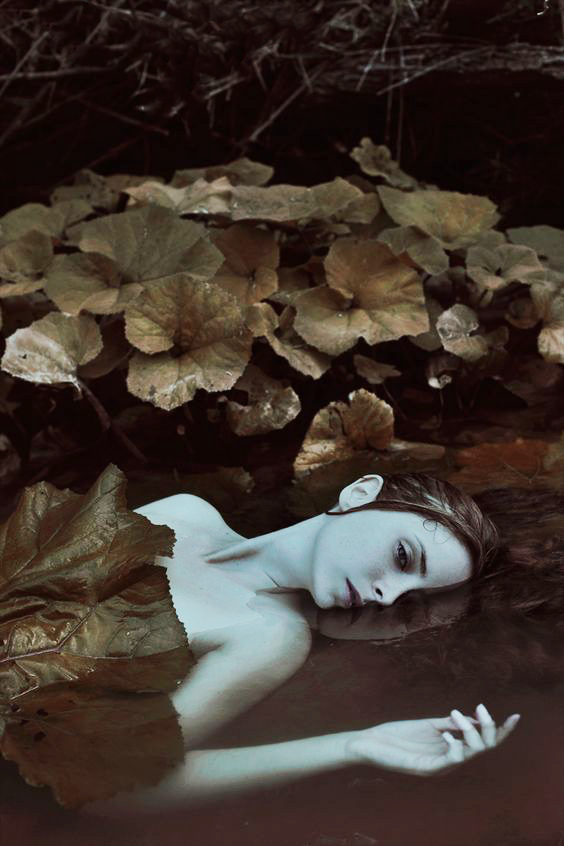
She is such a terribly sheltered creature, Asterope, shackled to this pond in the middle of no place at all with only wild things to call her friends. (Aside from Sickle, of course, who she considers her most cherished friend). She is oblivious to the nuances of conversation, the ways it is possible to lie and make yourself believe it.
There is hardly any conviction in Sickle’s response and the nymph knows without having to ask that the chances that her friend’s brother is happy are very slim. (Asterope does not know how to heal a broken heart.)
But she retreats from the edge of the pond when Sickle shifts and slides into the water and her own heart twinges and spasms because she is well and truly not alone as long as Sickle is here in the pond with her.
(And she has the brief and terrible thought of what might happen if her father found her friend here. Would he send her away? She understands that she is being punished for something, though she has not been able to work out what, and she’s almost certain that the shadow creature would not approve of her having friends.)
But Sickle surfaces as something else entirely and embraces her and Asterope forgets about her father and Sickle’s father and all of the horrible things that must exist out in the world and sinks into the embrace. And there is such a soft, sad smile that ties up the corners of her mouth when Sickle speaks again.
“Maybe,” she agrees, just as quiet. “They both look just like me.” Three identical triplets born in the dark of night, glowing softly, warm and then so terribly cold.
And she laughs then, but even this is a sad kind of sound as she nods in agreement. She hadn’t thought about it that way, hadn’t even considered her sisters wondering about her, too. “You’re right,” she says and extends her wings across the surface of the water and gives them a shake, grinning something real as ripples spiral outward away from them.
“I never thought about them thinking about me,” she admits, her tone thoughtful.
There is hardly any conviction in Sickle’s response and the nymph knows without having to ask that the chances that her friend’s brother is happy are very slim. (Asterope does not know how to heal a broken heart.)
But she retreats from the edge of the pond when Sickle shifts and slides into the water and her own heart twinges and spasms because she is well and truly not alone as long as Sickle is here in the pond with her.
(And she has the brief and terrible thought of what might happen if her father found her friend here. Would he send her away? She understands that she is being punished for something, though she has not been able to work out what, and she’s almost certain that the shadow creature would not approve of her having friends.)
But Sickle surfaces as something else entirely and embraces her and Asterope forgets about her father and Sickle’s father and all of the horrible things that must exist out in the world and sinks into the embrace. And there is such a soft, sad smile that ties up the corners of her mouth when Sickle speaks again.
“Maybe,” she agrees, just as quiet. “They both look just like me.” Three identical triplets born in the dark of night, glowing softly, warm and then so terribly cold.
And she laughs then, but even this is a sad kind of sound as she nods in agreement. She hadn’t thought about it that way, hadn’t even considered her sisters wondering about her, too. “You’re right,” she says and extends her wings across the surface of the water and gives them a shake, grinning something real as ripples spiral outward away from them.
“I never thought about them thinking about me,” she admits, her tone thoughtful.
Drops of dew from their hair