 jamie
jamie
jamie
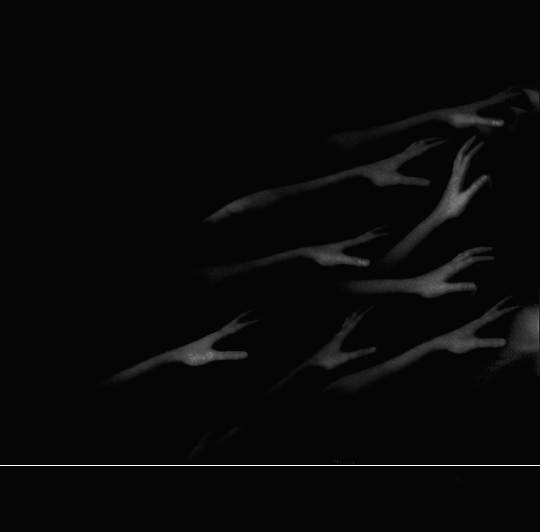
The ghosts watch.
The ghosts always watch.
They come to him sometime later with news of a child that had seemed to die in the night and then woke anew in the morning. They tell him, too, that the child’s mother had gone but this is of significantly less interest than the tales they tell of the milk-white eyes, the slack flesh, the ugliness of death.
He thinks of Miseria, how he had cobbled her together with the flesh of dead things to resemble the first triplets, the Fates. Could it be that there is another thing like her in the world? Another rancid, decaying thing? And he tells the ghosts to take him to this child, so they do.
He watches first from a distance as the child stumbles to the water and drinks. But this cannot be the right child, as this child is not dead at all. His stumbling is due only to his youth, the coltish limbs, it is not a death stagger. He is only young, he tells the ghosts, but they insist.
At long last, he crosses the expanse of desert that separates them. There is a map of the boy's bones on his coat, an advertisement of all the vulnerable parts. Jamie remembers how his own joints had ached in his youth, how the pain had crippled him. He had been such a sickly thing once and there are times where he misses it. (Just recently he had missed it enough to return to the cave where he had spent much of his youth, enough to return to the pain and the exhaustion and the fear of his youth itself.)
“The ghosts tell me that you died in the night,” he says to the boy, his voice fog-thin, his strange head tilted. “Is that true?”
The ghosts always watch.
They come to him sometime later with news of a child that had seemed to die in the night and then woke anew in the morning. They tell him, too, that the child’s mother had gone but this is of significantly less interest than the tales they tell of the milk-white eyes, the slack flesh, the ugliness of death.
He thinks of Miseria, how he had cobbled her together with the flesh of dead things to resemble the first triplets, the Fates. Could it be that there is another thing like her in the world? Another rancid, decaying thing? And he tells the ghosts to take him to this child, so they do.
He watches first from a distance as the child stumbles to the water and drinks. But this cannot be the right child, as this child is not dead at all. His stumbling is due only to his youth, the coltish limbs, it is not a death stagger. He is only young, he tells the ghosts, but they insist.
At long last, he crosses the expanse of desert that separates them. There is a map of the boy's bones on his coat, an advertisement of all the vulnerable parts. Jamie remembers how his own joints had ached in his youth, how the pain had crippled him. He had been such a sickly thing once and there are times where he misses it. (Just recently he had missed it enough to return to the cave where he had spent much of his youth, enough to return to the pain and the exhaustion and the fear of his youth itself.)
“The ghosts tell me that you died in the night,” he says to the boy, his voice fog-thin, his strange head tilted. “Is that true?”
so darkness i became